
A horse’s diet is the most important pathway to its health. A bad diet can cause a host of issues, such as laminitis, founder, obesity, and joint deterioration, whereas a good one will help prevent each of those things and allow the horse to thrive. Moreover, a good diet for one horse might be a bad diet for another.
So, how do you decide which diet is best for your horse?
While I wish I could say the answer is simple, it’s not. However, as an experienced horse owner, I can give you some tips on the steps it takes to figure it out.
I’m going to assume that you know the basic components of what a horse eats, but if not, you can read about that here: Horse Diets for Dummies.
Take a Look at Your Current Situation
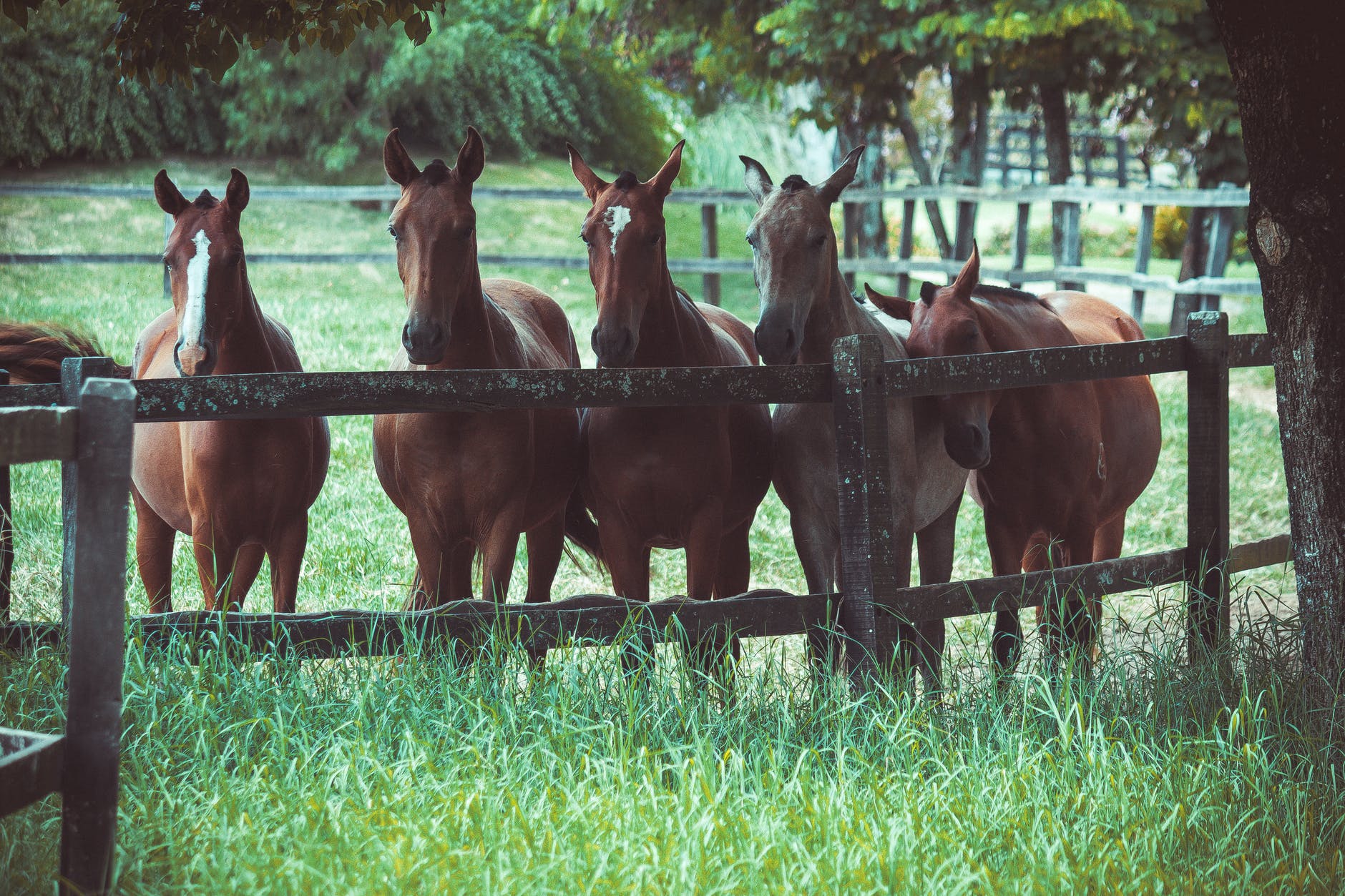
First things first, you’re going to want to take a look at your current situation.
Is your horse stalled for most of the day? Do you have pasture available? If so, how big is it? Is it big enough to sustain the amount of horses you plan to put on it?
Horses must have food available every 4 hours at minimum. If your horse is stalled for any length of time, they’re going to need significantly more hay than horses that have constant access to pasture because they’ll have no other source of consistent forage.
This also goes for horses with access to smaller pastures versus larger ones. Smaller pastures may not be able to provide the sheer volume of forage needed to sustain a horse, whereas a larger pasture might have that capability. The general consensus is typically to allocate two acres for the first horse and add an acre for each additional horse placed on the property, which helps ensure that an adequate amount of forage can be provided by the pasture. However, smaller areas can certainly be used with more careful and precise management.
Overall, your current setup and pasture availability will be the baseline for how the other aspects of your diet planning fit together.
What Does Your Pasture Quality Look Like?
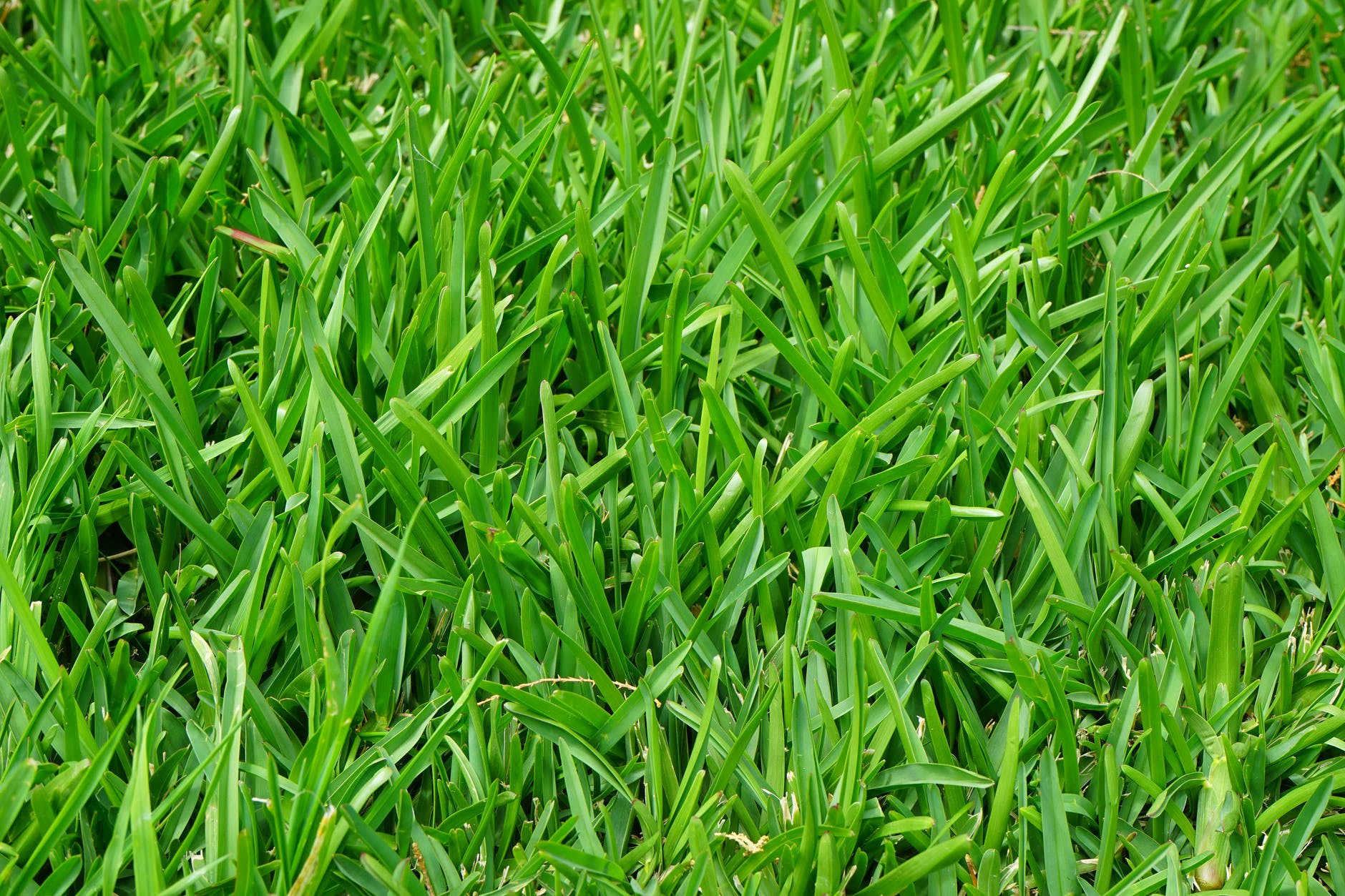
Next, assuming your horse will have access to some sort of pasture, what types of plants are they composed of? Are they weeds? Do you have a lot of typical horse forages like alfalfa and clover?
Pastures filled with weeds won’t sustain a horse nearly as well as those without weeds, no matter how many plants are in them. Think about it this way. A pasture full of weeds is like a fridge partially stocked with plastic toy foods. Sure, it might look full to someone who doesn’t quite know what they’re looking for, but ultimately most of it is inedible. That’s why it’s important to be certain that the plants in your pastures are forages that your horse can actually eat.
It’s also important to determine the type of plants and grasses that you’re growing to ensure that they’re safe to consume in the first place. Certain pasture plants produce mycotoxins, which cause adverse effects when eaten and can lead to immunosuppression, organ damage, colic, abortion, and even death. By cataloging which plants your pasture is growing, these serious implications can be prevented and even avoided completely with close pasture management.
In addition to safety, keeping track of pasture content and quality is also essential in the nutritional aspect of dietary planning. Each forage has a different nutrient content and, if you know relatively which minerals they’re getting the most of, it’ll be easier to balance out in the other components. For example, some areas grow plants that have higher concentrations of zinc. Horses on these pastures typically won’t need as much zinc supplemented in other components of the diet, especially compared to horses in zinc deficient areas. It also works in reverse. Horses in deficient areas will likely need increased supplementation in other components to make up for what their pastures may be lacking. If you don’t know what your horse is eating, they may be missing out on some key minerals and limiting their performance.
Does This Quality Require the Use of Hay?
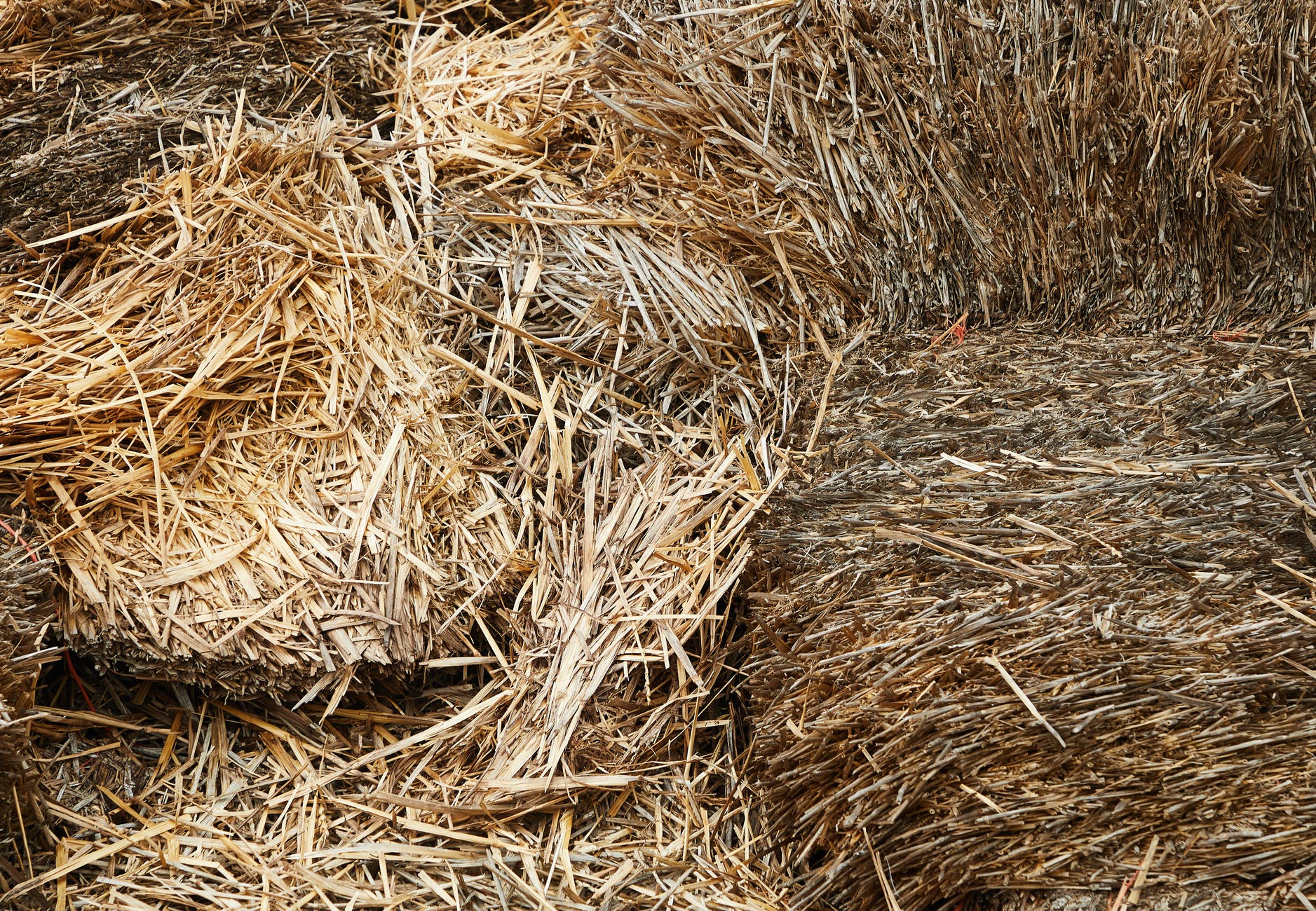
If you decide that your pastures are sufficient, congrats! You might not need hay. However, the majority of horse owners do, which is why being able to tell which hay is good horse hay is critical.
Good horse hay is hay that is fresh, soft, not dusty, and hasn’t been exposed to the elements. Any hay that is marked as “cattle hay” or “goat hay” should never be fed to horses, because it may contain irritants that could potentially harm them.
There are many different types of hay, with each fully dependent on the composition of the field where it was baled. Legume hays are mainly composed of either alfalfa, clover, lespedeza, birdsfoot trefoil, or peanut hay. These forages tend to have a higher concentration of protein and calories than other hay types. Grass hays are composed of either warm or cool season grasses and usually contain timothy, orchardgrass, ryegrass, fescue, redtop, reed canary grass, wheat grass, bluestem, bermuda grass, brome grass, or teff. They tend to be lower in calories and protein than legume hays, but higher in fiber. Mixed hays are when some of these legumes and grasses are planted and baled together, which can be done to make certain plants more palatable or change the nutrient ratio depending on the needs of the area. Different geographic areas grow different types of hays, which is why it’s important to research which types are popularly grown in your area.
There are also different cuttings of hay, with each having different nutrient contents. The cutting number is just how late into the season the hay was harvested. First cutting was harvested first, second cutting was harvested after first cutting, and so on.
To go into depth on the differences between cuttings, let’s compare a typical bale of mixed hay:
First Cutting
First cutting is generally less nutritious than second and third cutting. Being the first cutting of the season, it contains more grass and less legumes, such as alfalfa and clover, which increases the fiber content and lowers the amount of calories. The large proportion of grass makes it appear more “stemmy” than other cuttings and gives it a more dull yellow/brown color. However, it’s often cheaper than other cuttings, which makes it a decent alternative that many horses can still thrive on.
Second Cutting
Second cutting is generally the most popular choice to feed to horses. It contains a healthy level of legumes, more so than first cutting, and tends to be very green, leafy, and easy for them to eat. It’s not as rich as third cutting, which still makes it an option for horses more prone to metabolic issues (although first cutting for them would be ideal). The color of second cutting hay is usually more green than first cutting, but less than third cutting. Overall, it’s a very good forage for the average horse.
Third Cutting
Many farmers will not get a third cutting each season, which can make it a little bit harder to find than first and second cutting. It’s generally the most rich in nutrients and calories with the lowest amount of fiber, containing the most legumes and the smallest amount of grass of all three cuttings. When compared to the other two cuttings, third cutting is the most green in color. While this isn’t a good option for horses struggling with metabolic issues, it can be a game changer for elderly horses that need more calories to keep their body condition.
Some horses may react differently to a first cutting versus a third cutting based on their individual health factors. It’s important to note both the type of hay and difference between each cutting in order to choose the best one to suit your horse’s needs.
What About Grain?
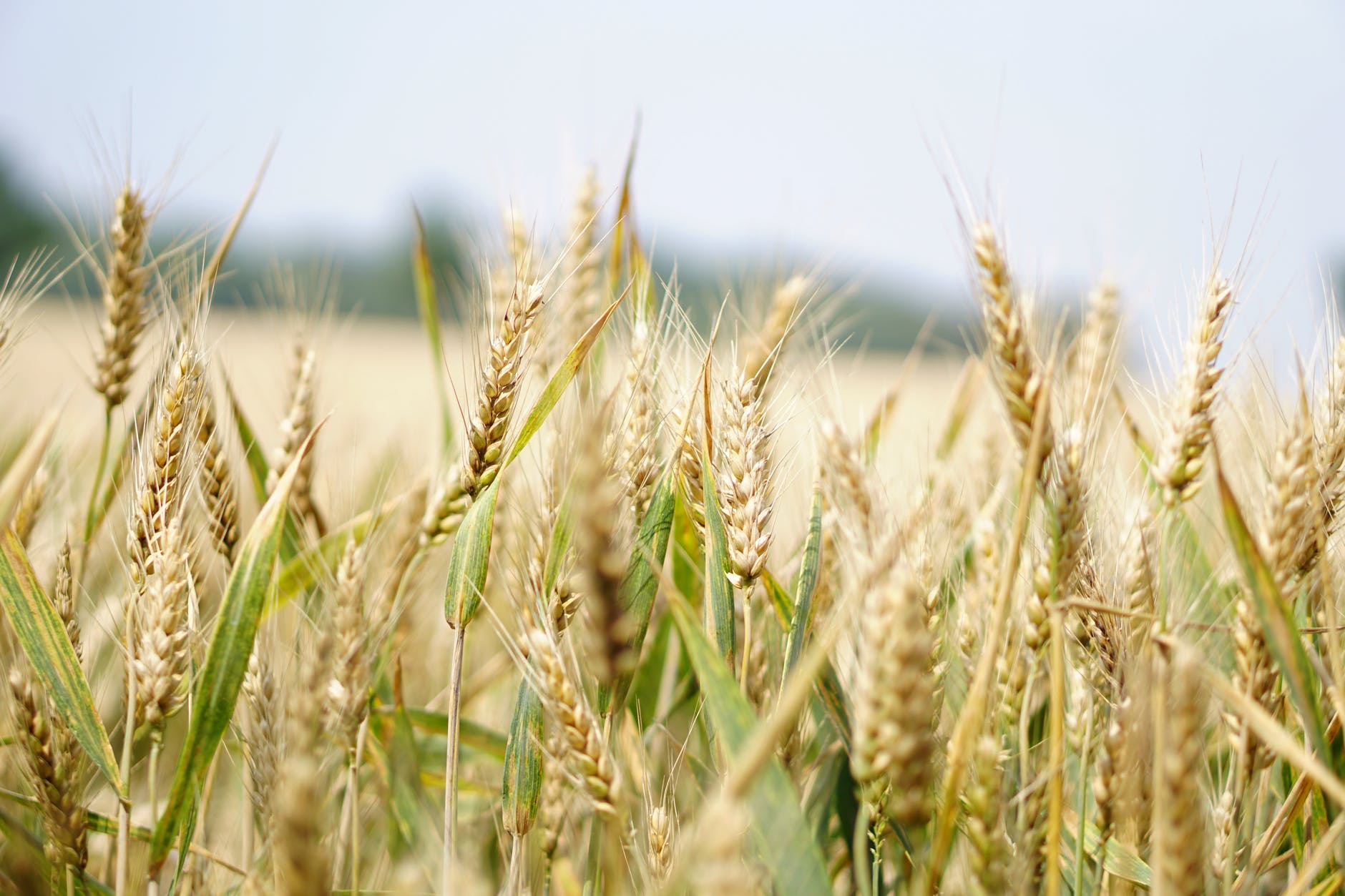
Grain is a little bit easier to figure out. Since a lot of horses don’t need grain to maintain a healthy weight, some people are able to get out of using it completely. Others, however, will need to choose a grain depending on their horse’s needs.
Grain is largely labeled based on the type of horse it is for. For example, grains that say “senior” on the front are calorie loaded for older horses. Anything that says “performance” on it likely has increased protein for muscle building in more active horses. Grain that says “maintenance” is likely just an all around feed for the average horse that needs a little more nutrients in the diet. More advanced owners might compare nutrients between brands and bags, but those newer to diet-making are generally safe to choose based on those key terms.
Please note that grain should only be used to maintain body condition on a horse that would otherwise lose it. Examples of this include seniors, growing foals, pregnant mares, and horses used in extensive activities. Unnecessary graining could result in obesity, increased energy to the point of misbehavior, and abnormal personality changes, among other health concerns, which can cause a lot of frustration for you and your equine companion.
Finally, What Are You Missing?

The last component you’ll have to think about is minerals.
Chances are, no matter how perfect your diet is, you could be missing something. The absolute best way to determine exactly what you need to supplement is by having your forage tested. A forage test is useful if you grow your own hay or buy it from a consistent source because it tells you exactly which nutrients are present in the hay. Once you know what’s in it, you’ll be able to figure out exactly which minerals you’re falling short on and allows you to make a plan to add them to the diet.
However, this only works if it’s consistent. If you’re constantly buying hay from other farms and sources, this won’t give you an accurate result because different hay from different cuttings and sources is all going to be nutritionally different. Most people fall under this category, which is why there are options to help.
A lot of brands sell supplements that are considered “all around” or “complete” and contain sufficient amounts of a mix of different minerals. Even though you don’t exactly know what you may be missing, these mixes assume that you have multiple gaps and work to help fill them. They’re extremely helpful for those who can’t use forage tests because they cover a range of different mineral deficiencies, rather than just targeting one or two of them. Using these mineral supplements may not be the most accurate way to supplement feed, but it’s better than nothing when you aren’t sure exactly what you need.
Overall, minerals can come in tubs, pellets, powders, and blocks, but which minerals are needed depends entirely on the other components of your horse’s diet.
A good diet plan is essential to the ownership of a happy and healthy horse. From maintaining body condition, to preventing chronic conditions and disease, to ensuring they have enough nutrients to participate in daily activities, each component serves a vital purpose towards keeping our equine companions performing at their best.
If you’re a horse lover looking to dive into a better nutrition plan, I hope these tips are able to steer you into the right direction and make your journey just a little bit easier.
 Hayyy Farms
One thought on “How To Formulate the Perfect Diet for Your Horse”