Stray dogs are absolutely one of the most underestimated predators a farmer will ever have to deal with.
When it’s a coyote or a fox, the damage is expected. It’s a damper for sure, but the “bummer” is universally understood. Nobody challenges it.
However, when that predator is someone else’s furry friend? Hold onto your hats, because things are about to get wild!
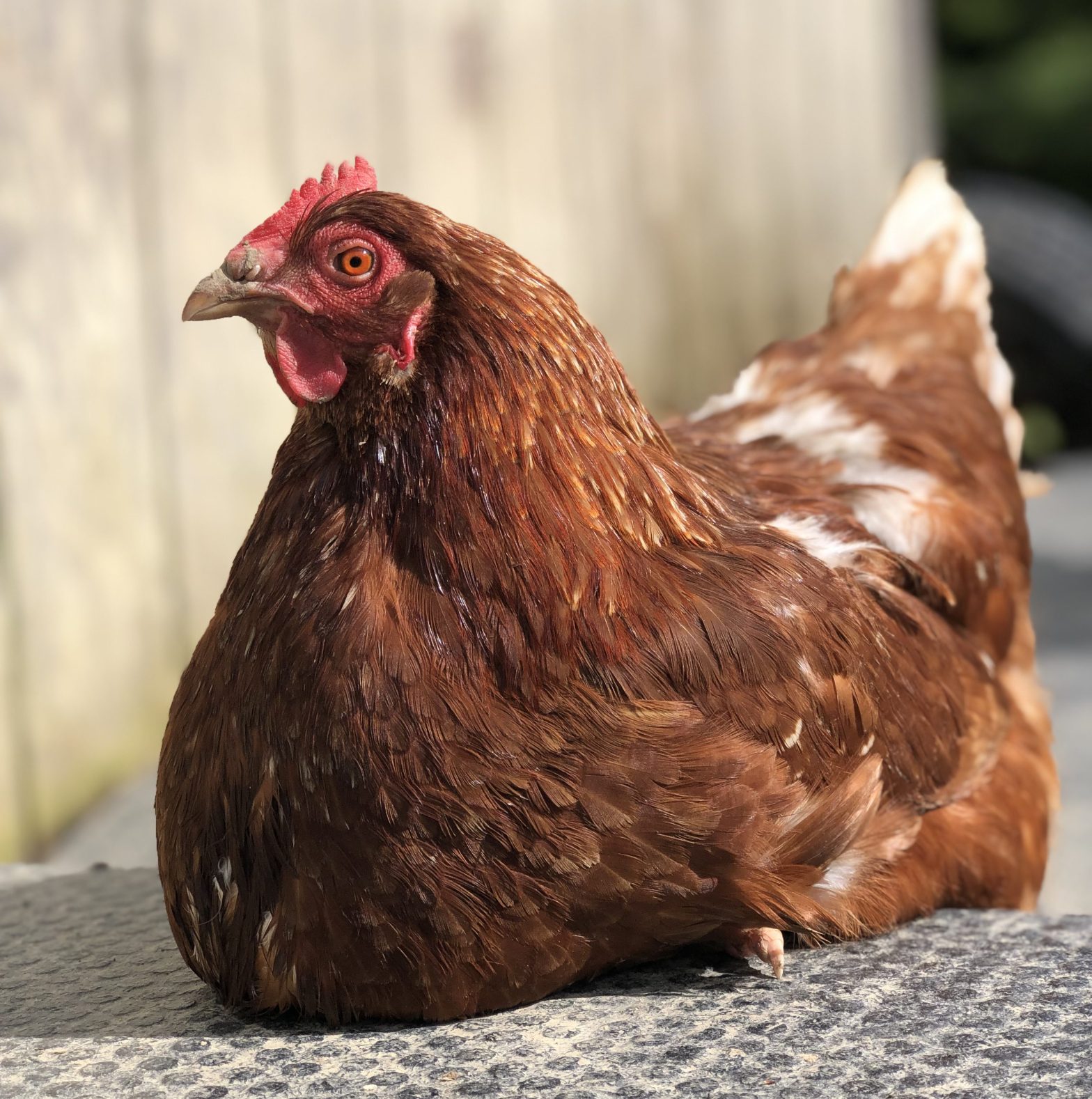
Killed and injured livestock suddenly become “not that big of a deal” and – heavily seasoned in callousness and slathered in victim-blaming – farmers are told to “secure their animals better next time if they didn’t want them eaten.” When it’s a laying flock that gets torn apart, the general attitude seems to consistently become “well it’s just a $5 bird, go get another one.”
Well, I’m here with the stats yet again to explain why the death of these “$5 birds” are a lot more of a problem than you may think.
So strap in, folks! This is going to go a little differently than you probably expect.
Boring Disclaimers
^ Is that professional? Probably not, but it does make this more bearable to write. Oh well!
These values are for generic, laying hens with average feed and care. They will not be accurate for organic, non-GMO, or any other fancy feeds, special breeds, free-ranging, pricy diet plans, expensive care, etc. A good rule of thumb is that, if the birds cost more, care is more expensive, and egg costs are higher: the loss values will be higher as well.
In addition, keep in mind that these numbers are very region dependent. If you’re local to us here at Hayyy Farms, congrats! These values will be fairly accurate. For everyone else, using your individual costs and egg value will give you a better representation of the situation, should you ever need to calculate one.
This is just a general scenario from local prices to give an idea on how drastic the damage from stray dogs can be.
Now that we’ve got that out of the way, let’s start from the beginning.
Chick to Laying Age
At local Ohio feed stores and hatcheries, laying breeds are currently going for about $4.69 per chick. Including tax, let’s call it $5.
Now, chicks have to be on chick starter feed for at least 6 weeks and then on chick grower feed from 6 weeks until laying age. Since many feed producers combine their chick starter and grower into one feed (and it makes this math a lot less complicated), that’s what we’re going to use for this example. Chick starter/grower runs between $18-$20 per 50lb bag at the local feed store, so we’ll use an average of $19 per 50lbs ($0.38 per lb).
For the first 6 weeks, one layer chick will eat about 1lb of starter/grower per week, on average. Then, from 6 weeks until around 16-24 weeks (laying age), it increases its food intake to between 1-1.5lbs per week.
In total, to reach laying age, a chick will have already consumed between 16-33lbs of feed.
Using the numbers listed above, this means that the farmer will have lost between $11.08 to $17.54 in feed and chick costs if a laying hen dies at this stage.
However, the loss doesn’t stop there. When farmers lose an animal, they not only lose out on any sunk cost it took to raise the animal to that stage of life, but also the productive loss that incurs when they no longer have the output that animal will produce in the future.
Remember, when it comes to monetary value: Farm animals are an investment.
So let’s take a look.
Egg Production & Potential Income
Most laying breeds will lay about 5 eggs per week and are replaced every 3-4 years.
In three years, they produce roughly 780 eggs (64 dozen) and in four years: 1,040 eggs (87 dozen). Since local eggs are currently about $4 per dozen, this is a potential income of $260 (3 years) to $348 (4 years).
However, to get the true loss value we must also take feed costs into account.
Future Feed Expenses
Full-grown laying hens eat about 1.5-2lbs of layer feed per week. Individual feed costs very GREATLY depending on brand and type, so for the sake of this example we’re going to use another average of $19 per 50lbs of ordinary chicken feed. If the farmer uses expensive non-GMO or organic feed, their costs (and egg revenue) will be drastically different.
In three years on average layer feed, one laying hen will cost between $88.92 to $118.56 in feed.
In four years, that cost jumps to between $118.56 to $158.08.
Now, let’s calculate the lost potential profit.
Crunching the Numbers
Taking our potential income and subtracting out future feed costs, this leaves us with a potential profit loss of:
- 3 Years: $141.44 – $171.08
- 4 Years: $189.92 – $229.44
Now, adding in the initial sunk costs (chick and starter feed costs) to our production and potential profit loss, that brings us to a total loss of: $152.52 to $246.98 per chicken.
Not what you expected, is it?
Now, if you’ve ever experienced a stray dog attack, you know they don’t just stop at one.
- Loss of two chickens: $305.04 to $493.96
- Loss of three chickens: $457.56 to $740.94
- Loss of four chickens: $610.08 to $987.92
- Loss of five chickens: $762.60 to $1,234.90
Did you gasp at the numbers? Now imagine if it’s not a “$5 chicken” and instead is a “$15 turkey”, or a “$300 goat”, or a “$1,000 pony”…
I think you get the picture.
And what’s more? In many states, the owner of the stray can actually be held responsible for these losses. Yes, you read that correctly! All factors in this example can be submitted as losses when a dog causes damage to a laying flock (or any other livestock), including:
- Structural damage
- Veterinary bills for injured animals
- And any other monetary loss caused by the dog
Losing farm animals is a big deal, and most states treat it as such!
In fact, they’re so protected in many states – including our home state of Ohio – that the strays can even be euthanized for it.
(“Euthanized” is a nicer way of saying it, but you know what I mean)
Ohio Revised Code Section 955.28
(A) Subject to divisions (A)(2) and (3) of section 955.261 of the Revised Code, a dog that is chasing or approaching in a menacing fashion or apparent attitude of attack, that attempts to bite or otherwise endanger, or that kills or injures a person or a dog that chases, threatens, harasses, injures, or kills livestock, poultry, other domestic animal, or other animal, that is the property of another person, except a cat or another dog, can be killed at the time of that chasing, threatening, harassment, approaching, attempt, killing, or injury. If, in attempting to kill such a dog, a person wounds it, the person is not liable to prosecution under the penal laws that punish cruelty to animals.
(B) The owner, keeper, or harborer of a dog is liable in damages for any injury, death, or loss to person or property that is caused by the dog, unless the injury, death, or loss was caused to the person or property of an individual who, at the time, was committing or attempting to commit criminal trespass or another criminal offense other than a minor misdemeanor on the property of the owner, keeper, or harborer, or was committing or attempting to commit a criminal offense other than a minor misdemeanor against any person, or was teasing, tormenting, or abusing the dog on the owner’s, keeper’s, or harborer’s property. Additionally, the owner, keeper, or harborer of a dog is liable in damages for any injury, death, or loss to person or property that is caused by the dog if the injury, death, or loss was caused to the person or property of an individual who, at the time of the injury, death, or loss, was on the property of the owner, keeper, or harborer solely for the purpose of engaging in door-to-door sales or other solicitations regardless of whether the individual was in compliance with any requirement to obtain a permit or license to engage in door-to-door sales or other solicitations established by the political subdivision in which the property of the owner, keeper, or harborer is located, provided that the person was not committing a criminal offense other than a minor misdemeanor or was not teasing, tormenting, or abusing the dog.
In short, stray dogs are a disaster waiting to happen. They kill for sport and cause way more damage to livestock than people actually realize. What may seem like a small loss to some is actually a big deal to the farmers who now have to clean up the mess, cut their losses, and try to start again.
I hope I was able to shed some light on why farmers get so frustrated about loose animals. Nobody wants to be the bad guy, but when the public perception always favors the rogue dog over the countless animals they kill, it’s tough not to be so jaded.
And, if your dog does get loose and snack on the neighbor’s chickens?
Don’t be surprised if they hand you the bill.
 Hayyy Farms