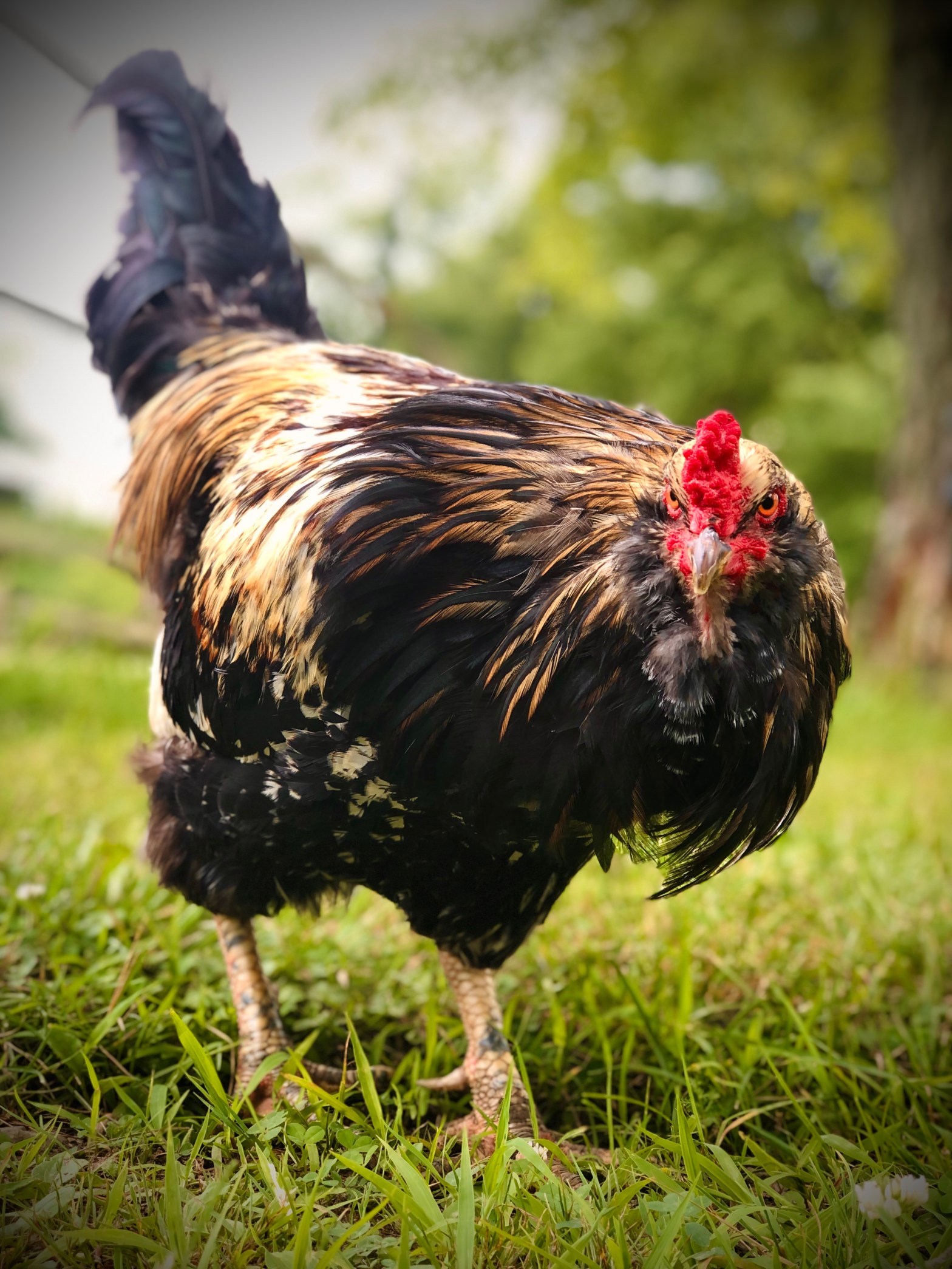
The belief that some roosters are predisposed to aggression solely due to having large testes is misleading. Research shows that a wide range of environmental factors, including behavior, diet, weight, living space, position within the flock, and access to hens, significantly influence testicular size beyond their genetic baseline. While aggressive behavior often correlates with environmental conditions that promote higher testicular growth, large testicular size should ultimately be viewed as an effect of those environmental conditions, rather than a direct cause of aggression.
Tag Archives: Chickens
Stray Dogs: An Expensive Problem for Flock Owners!
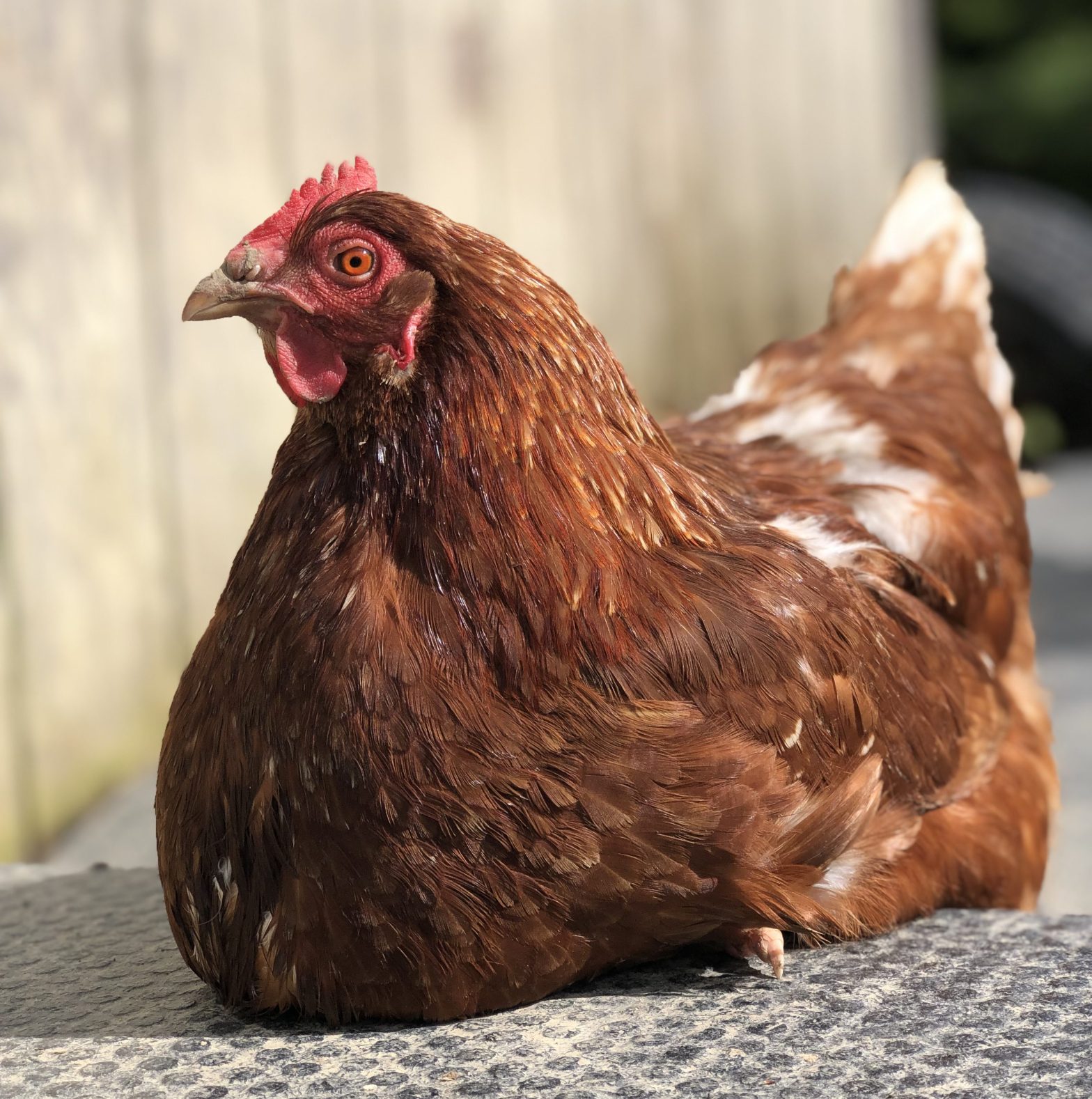
Stray dogs can cause significant damage to livestock, with the financial impact far exceeding the perceived value of the animals they kill. From the initial cost of chicks, to unseen feed expenses, and lost potential profit over the lifespan of the animal – the impact can be catastrophic!
How To Train an Aggressive Rooster
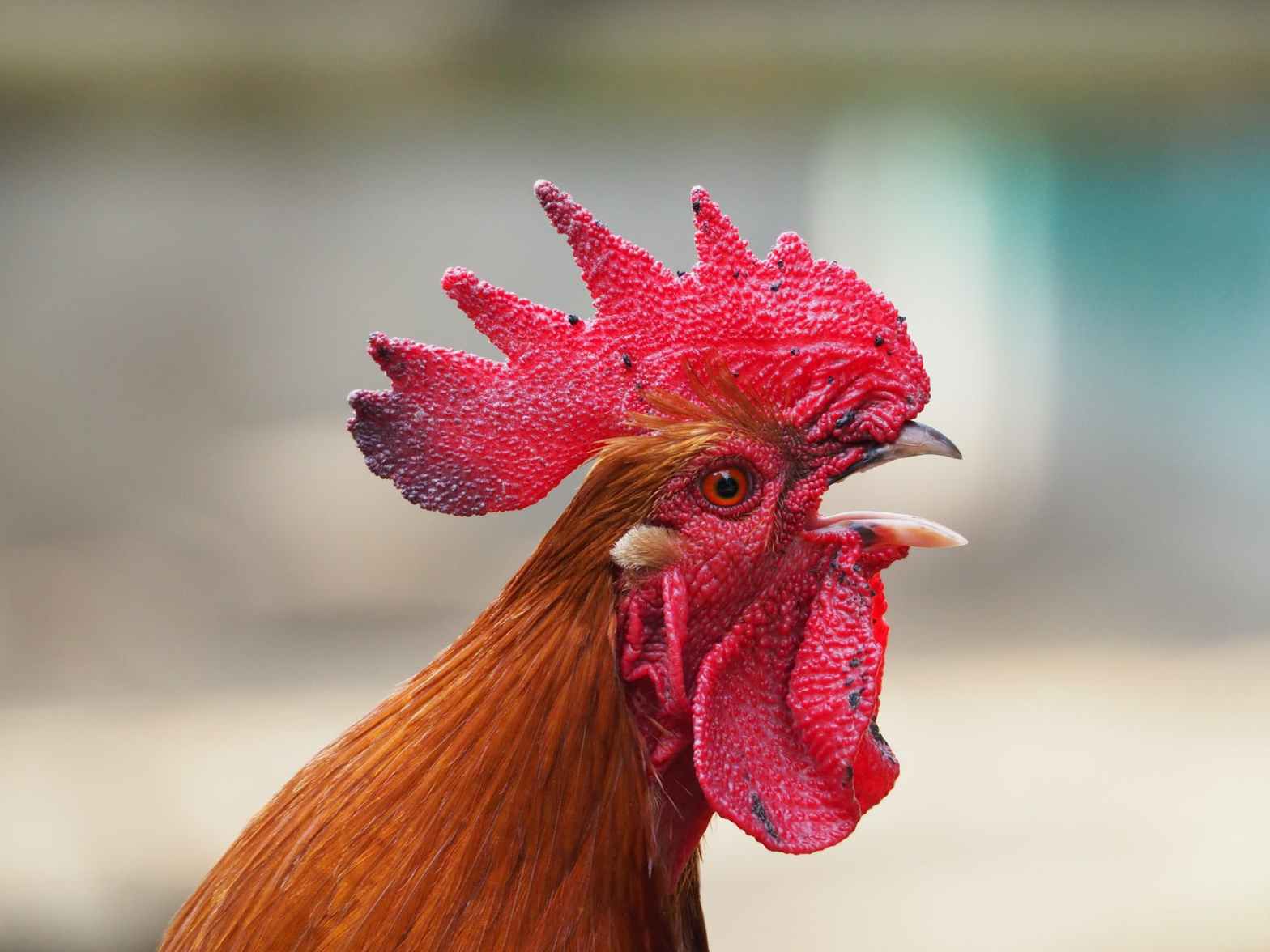
When it comes to proper training and handling, it seems like roosters get the short end of the stick. Between a set of instincts to protect their hens and enough decency to not maim their human handlers, it’s a tough line to walk for a lowly bird. What’s a flock owner to do? Fear not! Continue reading to get the inside scoop on training an aggressive rooster.
The Reality of Owning Chickens

Chicken keeping is one of the most financially misunderstood types of farming. Many people believe that all a chicken farmer has to do is throw some seeds to their flock and reap the profits. However, that couldn’t be more inaccurate. Continue reading to learn why raising chickens is such a harsh reality for many individuals.
 Hayyy Farms