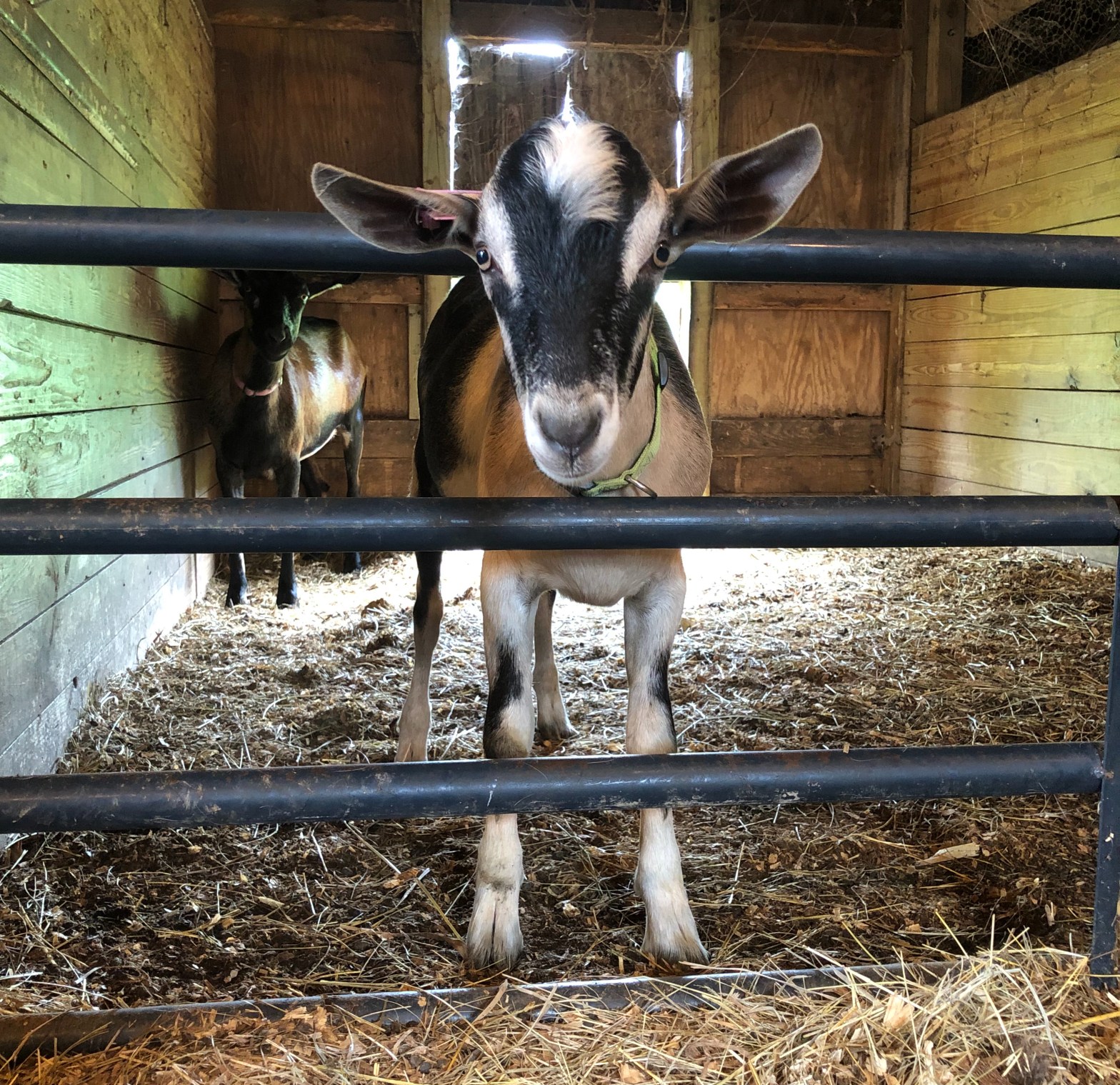
Nearly everyone that has ever used the internet has seen a cute video of an animal online and thought, “That’s so cute, I should get one!”
Out of all of these people, a percentage of them will actually try to purchase said animal… and most of that percentage will fail. Why? Poor planning and lack of preparation.
Most people will have the urge to buy an animal at one point or another in their lives. Some act on impulses and jump face first into animal ownership, while others put reason first and follow through.
So what should you do when thinking of adding an animal to the household?
Why Do You Want This Animal?
Firstly, consider what attracts you towards this animal.
Is it cute? Is it fluffy? Do you just want to pet and play with it?
If you answered yes to any of these, and see them as your main reasoning, you probably should not purchase this animal. These traits are typical of people in a phase that will enjoy the animal in the short-term, but struggle to continue enjoying the company of the animal in the long-term. They may buy a dog in the cute puppy phase, then find it boring when the dog gets older and isn’t as playful. If you think you may be one of these people, owning this animal might not be for you. You would likely be happier in the long term if you find a friend who owns a similar animal and visit when you catch yourself with a case of “animal fever”.
Now, do you want this animal because you think it would be a great long-term addition to the family? If livestock, does it serve a purpose? Would it be beneficial to your homestead or family farm?
If the answer to any of these is yes, you’re in this for the right reasons. Animals should be carefully considered before any thoughts of purchasing them and by setting realistic expectations, you’re thinking in the long-term. Thinking in the long-term is important because it stops impulse purchases and instead forces you to have a plan for how this animal is going to fit into your life.
Research, Research, Research!
If you’ve determined that purchasing this animal is right for you, the next step is to do vast research on all aspect of the animal’s needs and care. I know that’s quite a general statement, but don’t worry! I made a list to start you off.
Things To Know
- Diet
- What does the animal eat?
- How often does it need to eat?
- Do you live in a location where this food is plentiful?
- Will it need any supplementation?
- Does its stage of life require excess nutrients?
- Daily Care
- What does this animal’s daily care look like?
- Is it very hands-on (like horses)?
- Is it able to be left alone for longer periods of time (like fish)?
- How involved do you need to be with the animal each day?
- How will this animal fit in with the animals you may already currently own?
- Will this animal’s needs fit into your daily schedule?
- How do other people that own this animal view the impact to their lifestyle?
- What happens if this animal does not get the adequate care it needs?
- Equipment
- Will you need any specific equipment to keep/handle the animal?
- Will you need separate transport for the animal, such as a trailer or crate?
- How often, if at all, will this equipment need to be replaced or repaired?
- Breed Quirks
- What are the traits of each breed?
- Will the chosen breed fit with your lifestyle?
- How does it differ from other breeds in care, nutrition, health, and handling?
- What do people who own this breed say about it?
- Possible Health Problems & Signs to Watch Out For
- What health problems is the animal susceptible to?
- How common are each of these problems?
- What are the common treatments for them?
- How much does this typically cost?
- What are symptoms the animal can display that indicate a health problem?
- What behaviors are considered abnormal?
- Location
- Do you live where owning this animal is common?
- Are you close to other people who are knowledgeable about this animal?
- Will your location make it easier/harder to care for the animal?
- Are there adequate veterinarians that will treat the animal in your area?
- Average Monthly/Yearly Costs
- How much should you expect to spend on this animal monthly?
- How much will you spend yearly?
- Are there any annual costs? (veterinary checks, vaccinations, etc.)
- Are there any situations that could increase these costs?
- Professionals
- What type of professionals will you need?
- Will the animal need to see a farrier/chiropractor/dentist/etc.?
- If so, how often will visits with these professionals need to be made?
- What type of veterinarian will see the animal?
- Will the veterinarian come to your house or will you take the animal to the clinic?
- Overall
- Do you have the monetary, physical, and emotional capabilities to care for this animal?
These are just some general questions to get you started on your research. If you happen to come across other relevant topics in the meantime, I 100% recommend looking into those as well. The more prepared you are, the easier and more enjoyable animal ownership is going to be.
I know it seems like a lot. Trust me, I do. I’ve done this research myself on every single new breed and species of animal that I’ve added to my farm. That’s why I know from experience that you will be much happier and less stressed figuring out all of this beforehand rather than jumping into it and inadvertently putting the safety and wellbeing of the animal at stake. By doing prior research, you will be able to avoid common mistakes and failures that others may experience and save yourself a lot of time, money, and frustration in the long run.
Setting Up For Success
Now, assuming that you’re still interested in purchasing the animal, it’s time to set yourself up for success! There are a few things you can do as a new/potential owner that can make your life a whole lot easier.
Yearly Management Calendar
For owners new to the animal or breed, I highly recommend making yourself a yearly calendar for at least the first few years (I still use mine). Include everything from your research and set dates accordingly.
For example, for a dog management calendar, you would add yearly veterinary checks, when vaccines will be scheduled, monthly nail trimming and grooming needs, and any other services you may need for your dog that year.
For a horse management calendar, you would pencil in yearly veterinary checks, dental work appointments, yearly vaccinations, deworming schedules (seasonally/annually), and farrier appointments, among other monthly and yearly needs.
Not only does this hold you accountable to get all of these things taken care of, but by putting everything into a calendar, you won’t have to worry about what you might be forgetting. Everything that needs to take place will be detailed and listed on the day it’s scheduled, which will give you the comfort of knowing that as long as you follow the calendar, these needs will be met.
I know that life happens and some activities might not always be able to happen on the day they were written in, but it’s always good to have a rough outline to follow, especially being new to ownership.
There are many different methods and platforms that will allow you to create a productive management calendar. I personally prefer to use the calendar app that comes pre-downloaded onto my iPhone. I create a separate calendar from my non-management events and set reminders to whenever I would like to be reminded about the appointment or activity. Another plus is that you can customize each event to repeat whenever you’d like, meaning you only have to physically type it in once and can set it to reoccur over specific periods of time. The only downside is that you can’t share your calendar to another person if you need to. They have to make their own. However, Google Calendar will allow you to share calendars between accounts, so that may be an option for you. And if you’re not very techy, physical calendars will work just fine.
Service Book
This is something that not a lot of people do, but nevertheless something I think is extremely beneficial to new owners.
Have you ever pushed something off because you didn’t know how to do it? Have you ever procrastinated something because you’re not sure who would be able to help?
A service book is really helpful in preventing the “I was going to get this done, but I didn’t know who to call” scenario. It lessens the likelihood that you will push something off or procrastinate it due to lack of knowledge on what to do to solve the problem.
What I recommend, when making this book, is writing down every service that you might need at one point or another in the animal’s life. This includes any veterinarians, emergency care centers, dental care specialists, hoof care experts (if applicable), reproductive specialists (if applicable), and any other professionals or specialists you may require the use of at some point. This isn’t to say that you’ll need them all, but it’s helpful to be covered in various different unexpected situations.
Next, find two to three service providers or centers that handle each service. This is the time to ask for recommendations! As someone who has worked with animals for over a decade, it’s much easier to have your ducks in a row during a crisis than spend an hour waiting for your friends to respond with which vet they prefer. Sometimes you don’t have the time, and having a collection of businesses and phone numbers at your fingertips can make any situation go a lot more smoothly.
*If combined with the yearly management calendar, getting things done can be as simple as checking your schedule and flipping to the corresponding page in your service book. It’s really that simple!*
Animals are a lifelong commitment. Impulse buys, while fun for the owner at first, are unfair to the animal and put them in harms way when care is unintentionally suboptimal and the “cute phase” begins to fade. By using these research and planning tips, you can greatly reduce the possibility of unfavorable situations, wasted time and funds, and unnecessary stress and become the responsible and prepared owner an animal needs to thrive.
 Hayyy Farms
Again, Hayley, well done.. hopefully it will be read by those entertaining being an animal’s parent. Sent from my iPad
>
LikeLike
Every time you post something, I’m reminded how little I know. As always, so well composed.
LikeLike